Spine Fitness
Understanding Cervical Radiculopathy
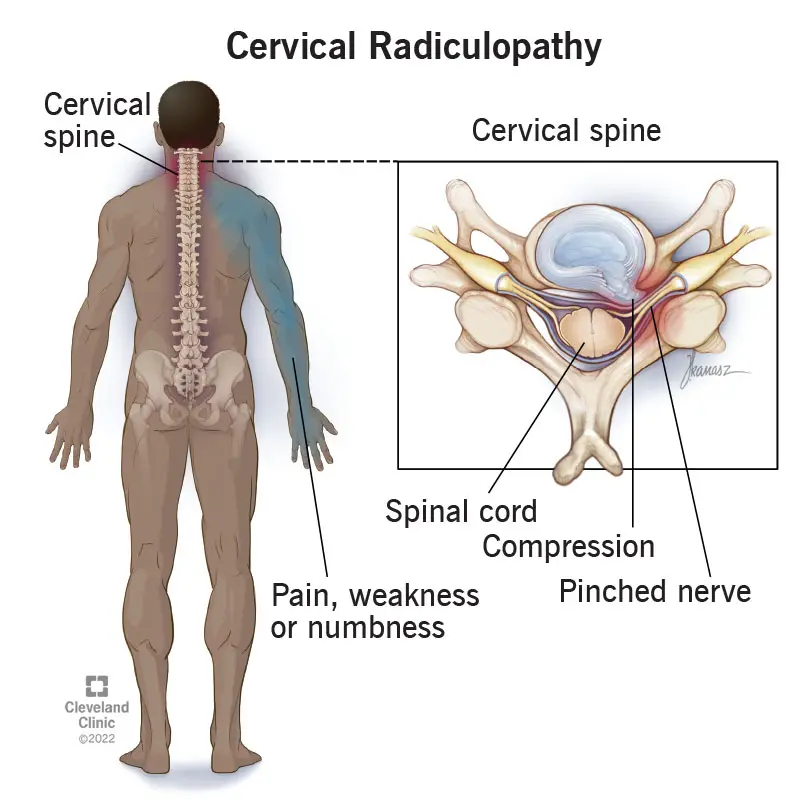
Before diving into the role of physical therapy, it’s important to grasp what cervical radiculopathy entails. It typically occurs when a herniated disc, bone spur, or degenerative changes in the cervical spine compress or irritate a nerve root. This can lead to symptoms such as:
-
- Sharp or burning pain radiating from the neck into the arm
-
- Numbness or tingling in the arm or fingers
-
- Weakness in the muscles controlled by the affected nerve
How Physical Therapy Helps
Physical therapy is often a cornerstone in the treatment plan for cervical radiculopathy. Here’s how it can make a difference:

-
- Pain Management
Physical therapists use various techniques to help manage and reduce pain. Modalities such as heat or ice therapy, ultrasound, and electrical stimulation can provide relief and reduce inflammation.
- Pain Management
-
- Improving Posture
Poor posture can exacerbate cervical radiculopathy. Physical therapists evaluate and address postural issues, teaching you how to maintain proper alignment during daily activities. Correcting your posture can alleviate pressure on the cervical spine and improve overall comfort.
- Improving Posture
-
- Strengthening Exercises
Weakness in the muscles supporting the neck can contribute to cervical radiculopathy. Physical therapists design personalized strengthening exercises to target the neck, upper back, and shoulders. These exercises help support the cervical spine and reduce the risk of future issues.
- Strengthening Exercises
-
- Stretching and Flexibility
Stiffness in the neck and upper back can exacerbate symptoms. Stretching exercises help improve flexibility, reduce muscle tension, and enhance range of motion. This can help relieve pressure on the nerve roots and ease discomfort.
- Stretching and Flexibility
-
- Education and Ergonomics
Physical therapists educate patients on proper body mechanics and ergonomics, including how to adjust workstations and daily activities to reduce strain on the cervical spine. This education helps in preventing aggravation of symptoms and promotes long-term spinal health.
- Education and Ergonomics
-
- Manual Therapy
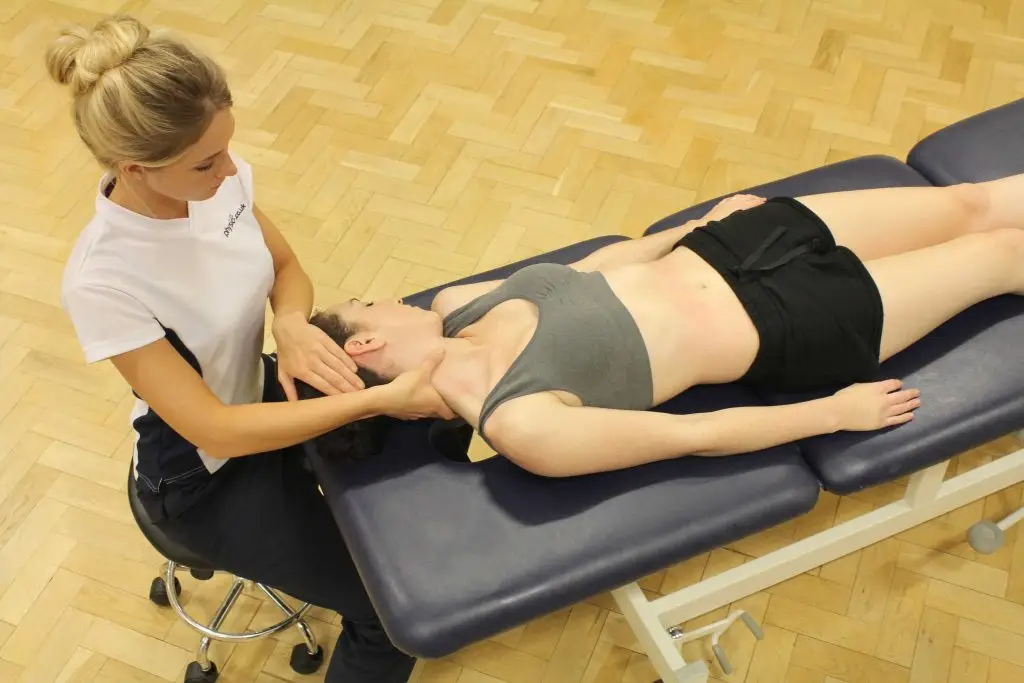
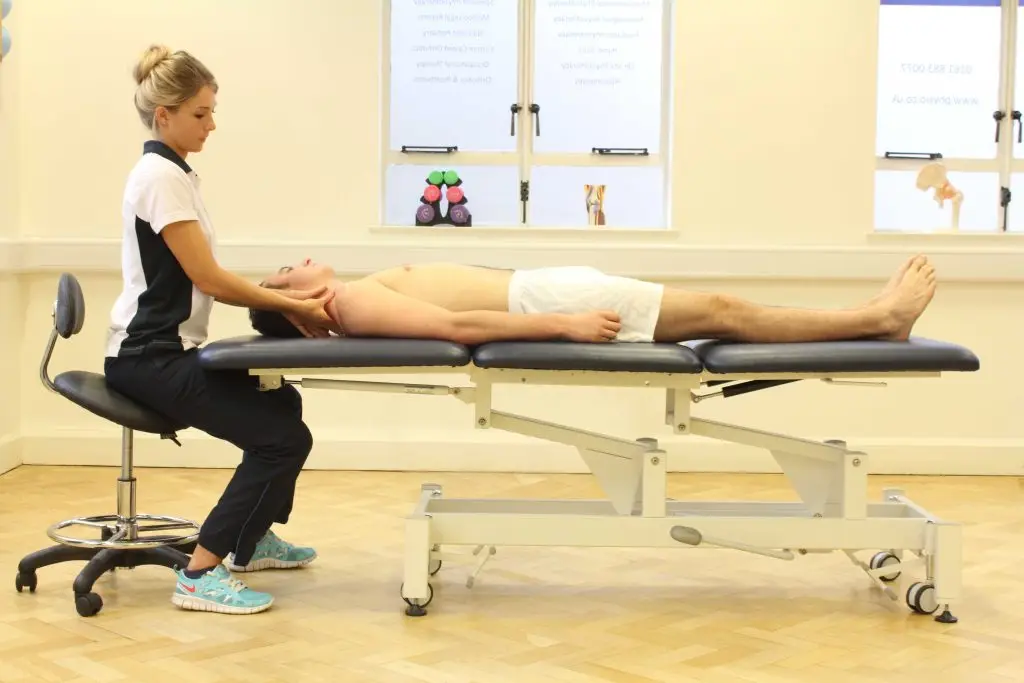
Techniques such as joint mobilization and soft tissue massage can be employed to relieve muscle tightness, improve spinal mobility, and reduce nerve root compression.
- Manual Therapy
A Holistic Approach to Treatment
Physical therapy offers a comprehensive approach to managing cervical radiculopathy, addressing not only the symptoms but also the underlying causes. It’s a non-invasive treatment option that, when combined with other therapies and lifestyle modifications, can lead to significant improvement and recovery.
When to Seek Physical Therapy
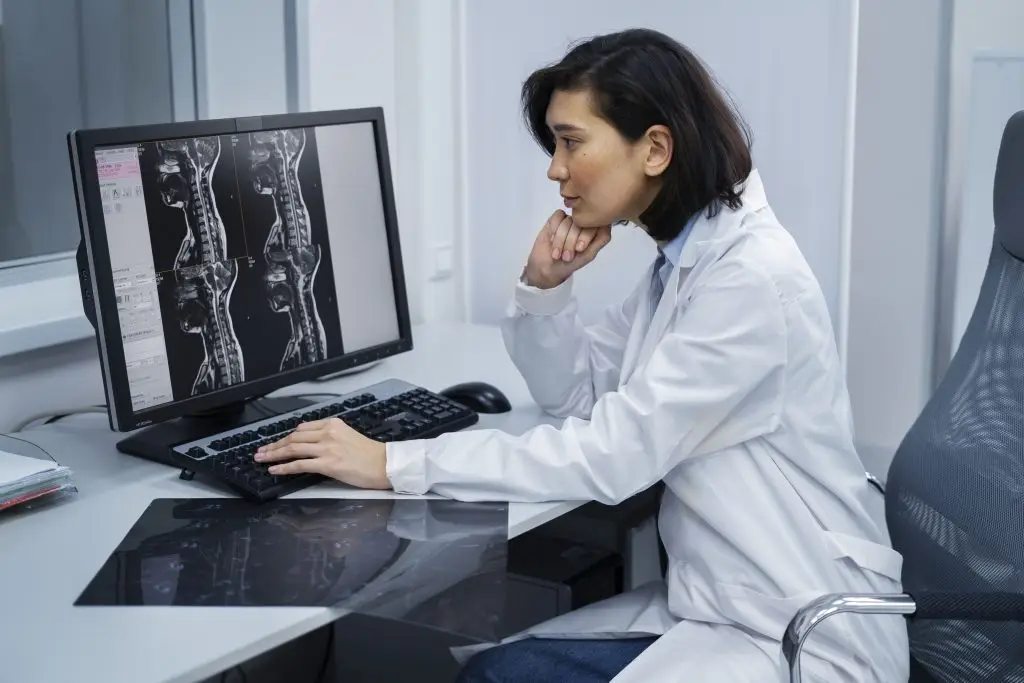
If you’re experiencing symptoms of cervical radiculopathy, consult with a healthcare provider for a proper diagnosis. They can refer you to a physical therapist who will develop a tailored treatment plan based on your specific condition and needs.
In summary, physical therapy is a vital component in the management of cervical radiculopathy. Through pain relief, posture improvement, muscle strengthening, flexibility enhancement, and education, it addresses both the symptoms and root causes of the condition. If you’re struggling with cervical radiculopathy, consider reaching out to a physical therapist to start your journey towards relief and recovery.
Lahore Spine Care professionals team
A group of Lahore Spine Care professionals are here to identify and manage back pain issues. Lahore Spine Care bring together the knowledge of Skilled and qualified Physiotherapists, Nutritionists, Neurologists, Neurosurgeons, Pain management specialists, and Rehabilitation therapists.